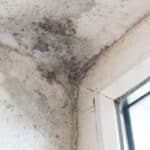
Shock figures claim to show scale of mould on rental properties

Shock figures claim to show scale of mould on rental properties


Todays other news
The Renters Rights Act gives tenants with pets more rights...
Cheffins is the agency which partners with a building society...
It's now almost six months since the Act came into...
The profile is moving away from the young singleton to...
Each has some 35 years of experience in the industry...
Mould and Damp: Agents should act now, says Propertymark


Some 48 per cent of tenants are currently living with one or more housing disrepair issues, it’s being claimed.

Advertisement

The problems include mould, damp, leaks, electrical hazards, heating or hot water issues or blocked drains.

Advertisement

The claim comes from a property compensation firm Hodge, Jones & Allen.

Advertisement

Tenants aged 18-24 are the most likely to be living with an issue (67 per cent)followed by 35–44 year olds (52 per cent).

The city with the most housing disrepair issues was shown to be Nottingham, where six in 10 tenants claim they’re living with one or more issues.  

Advertisement

This was followed by Bristol, Manchester, Newcastle, Norwich and London – all over 50 per cent.

The company claims an estimated 14 per cent of rental properties don’t meet the government’s Decent Homes Standard while one in 10 are also estimated to have a Category one hazard present – which means tenant safety is judged to be at serious risk.  

Advertisement

Research undertaken on behalf of the firm shows that the most common disrepair issues are mould and damp, followed by defective entrance and leaks. 

The firm’s survey was relatively small – 1,000 current UK rental tenants in September. It also compared some stats from this survey with a similar survey undertaken in 2021. 

The most common disrepair issues in rental properties (2023):

    1    Mould (48% have it in at least one room in the house) 

    2    Damp (47%) 

    3    Entrance defects (29%) 

    4    Roof leak (26%) / water leak (26%) 

    5    Blocked pipes / drains (24%) 

    6    Electrical hazard (23%) / heating or hot water issues (23%) 

    7    Structural damage (21%) 

    8    The absence of a working smoke detector (20%) 

Share this article ...

Join the conversation: Login and have your say

Want to comment on this story? Our focus is on providing a platform for you to share your insights and views and we welcome contributions. All comments are screened using specialist software and may be reviewed by our editorial team before publication. Letting Agent Today reserves the right to edit, withhold or delete comments that violate our guidelines, including those that harass, degrade, or intimidate others. Users who post such content may be banned from commenting.
By commenting, you agree to our Commenting Terms of Use.
6 Comments
Oldest
Newest Most Voted
Recommended for you
Related Articles
Letting agents inspecting property plans and discussing property details.
The Border Security, Asylum and Immigration Act is now in...
Person arranging wooden blocks spelling 'LICENSING' for letting agents.
The advice came after serious concerns were raised about fire...
Man with hand on forehead reading paper at desk in office.
The Renters Rights Act may be the straw breaking the...
Mould growth in the corner of a room near a window.
All of the updates apply only to England...
Landlords are selling up and rents are rising as a...
This is apparent in the prime lettings segment, it's claimed...
The fine was slightly reduced in return for rapid payment...
Recommended for you
Latest Features
The Renters Rights Act gives tenants with pets more rights...
Cheffins is the agency which partners with a building society...
It's now almost six months since the Act came into...
Sponsored Content

Send to a friend

In order to send this article to a friend you must first login. Click on the button below to login or sign up.