This is how to improve EPCs – by Propertymark 

This is how to improve EPCs – by Propertymark 


Todays other news
Ministry of Justice figures make sober reading...
Almost three quarters of landlords are set to increase rents...
New areas include fire safety, heating, ventilation, room sizes, waste...
Fewer tenants are requesting properties, says Knight Frank...
This new licensing applies to smaller HMOs...
Illustration of sustainable city with wind turbines and solar panels.

Agents’ trade body Propertymark has outlined how it believes EPC assessments could be improved. 

In a response to a government consultation on the subject, Propertymark says EPC assessments for homes could be improved by combining flexibility with practicality. 

Advertisement

It says: “A tiered approach could be considered, where a basic assessment uses standard assumptions, but assessors can provide more detailed, property-specific information where it is available.” 

Advertisement

The body says this could include using building records, retrofit documentation, previousmcompliance data, or green building passports where available. 

Advertisement

“Updating default assumptions for older, non-standard, or complex homes, particularly in the private rented sector, could also improve accuracy without increasing assessor workload or cost” it says.

In addition, Propertymark says future improvements are likely to depend on the introduction of digital logbooks, real-time energy data, and green building passports.

Advertisement

It says all this could help give a more accurate picture of actual building performance over time. 

“Any alternative approach must maintain consistency, transparency, and consumer  confidence, and avoid creating unnecessary complexity, cost, or delays, especially where EPCs are used for regulatory purposes” it says.

Advertisement

In a statement to the Department of Energy and Net Zero, it says: “Propertymark stresses the importance of maintaining confidence in EPCs, particularly where they are used for regulatory purposes, such as minimum energy efficiency standards in the private rented sector. 

“Any changes must improve accuracy without undermining comparability or increasing costs disproportionately. 

“Finally, we strongly recommend ongoing stakeholder engagement will be essential to ensure the system works in practice and delivers benefits for consumers, assessors and the wider housing market.”

You can see the full Propertymark response here.
Share this article ...

Join the conversation: Login and have your say

Want to comment on this story? Our focus is on providing a platform for you to share your insights and views and we welcome contributions. All comments are screened using specialist software and may be reviewed by our editorial team before publication. Letting Agent Today reserves the right to edit, withhold or delete comments that violate our guidelines, including those that harass, degrade, or intimidate others. Users who post such content may be banned from commenting.
By commenting, you agree to our Commenting Terms of Use.
Recommended for you
Related Articles
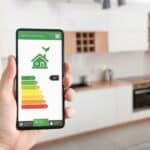
Person holding smartphone displaying energy efficiency app in modern kitchen.
Bank building with Union Jack design and red columns in the UK.
The Monetary Policy Committee has made its decision...
The conference is this coming weekend in New Orleans...
In Wales, the five year audit is mandatory under the...
A new tenancy cannot be ended for the purposes of...
It's applied to the social housing sector for a year...
The fine was slightly reduced in return for rapid payment...
Recommended for you
Latest Features
Ministry of Justice figures make sober reading...
Almost three quarters of landlords are set to increase rents...
New areas include fire safety, heating, ventilation, room sizes, waste...
Sponsored Content

Send to a friend

In order to send this article to a friend you must first login. Click on the button below to login or sign up.