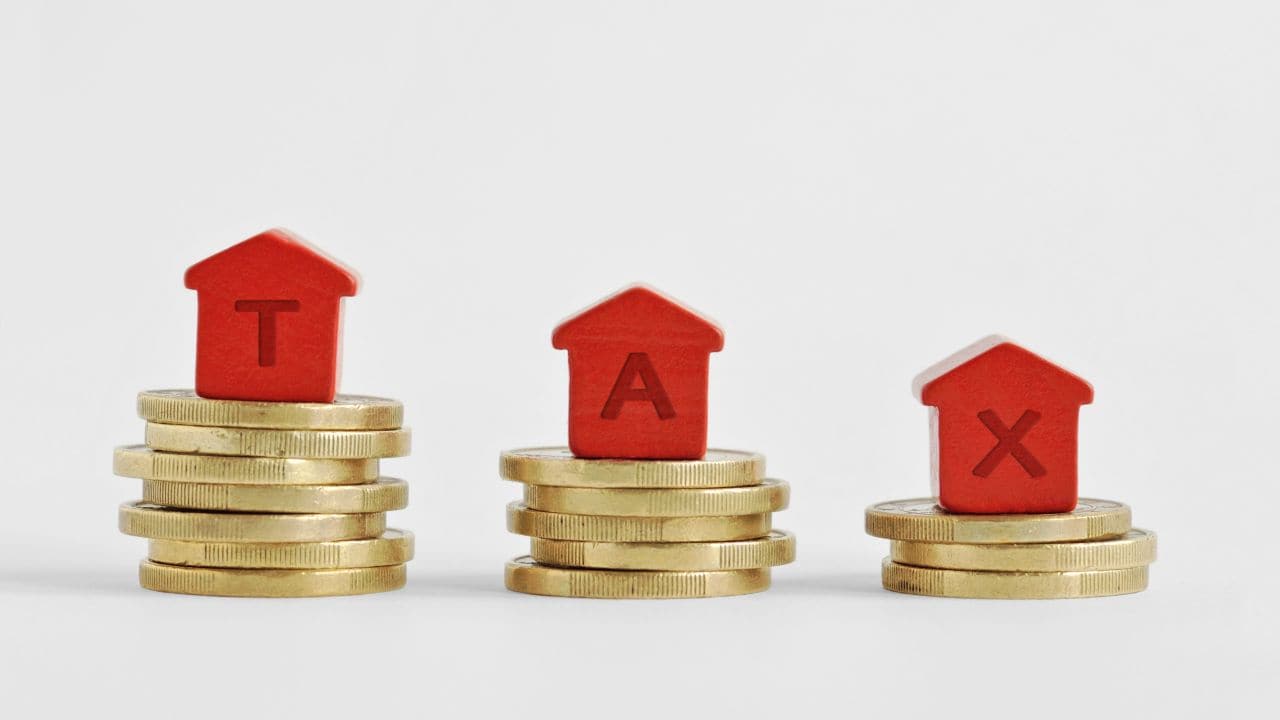
A stark warning has been issued that a property income tax could threaten jobs undermine business confidence investment, and weaken communities.
The warning follows the Budget announcement that rental profits for taxpayers in the rest of the UK will be taxed at 24%, 44% and 49% from April 2027 – four percentage points above the main UK Income Tax rates.
The increases do not automatically apply to Scottish taxpayers, whose rental profits remain subject to Scottish Income Tax rates.
However, the Scottish Government has the power to set separate rates for property income and is considering its approach ahead of its forthcoming Budget in December.
In a letter to Scottish Housing Secretary Shirley-Anne Somerville and Scottish Business Secretary Stephen Flynn, the Scottish Land and Estates organisation (SLE) is demanding a full Rural Impact Assessment.
SLE warns that applying the tax in Scotland could affect a wide range of activities across farms, estates and other rural enterprises, including rented housing, visitor accommodation, commercial premises and agreements supporting renewable energy and telecoms infrastructure.
It says additional taxation risks accelerating the withdrawal of rural rented homes at a time when providers already face rising maintenance costs, regulatory pressures and substantial investment requirements.
Higher costs could also be passed on through increased rents, worsening affordability for households and business tenants.
A spokesperson says: “Many Scottish taxpayers already pay more Income Tax than people earning the same amount elsewhere in the UK.
“Rural rented housing is essential to the functioning of local economies. Families need somewhere to live, employers need homes for their workforce and public services need to attract and retain staff.
“Another financial burden on housing provision could have consequences far beyond the individual property owner.
“For many farms and estates, rental income supports the viability of the wider business. When the sums cease to add up, housing providers can leave the rented sector and the people who depend on them are left with even fewer options.”
Family businesses operating as sole traders or partnerships could be particularly exposed because their income is generally taxed through the Income Tax system.
SLE says there’s a risk of creating a greater burden for these businesses than for incorporated enterprises.